
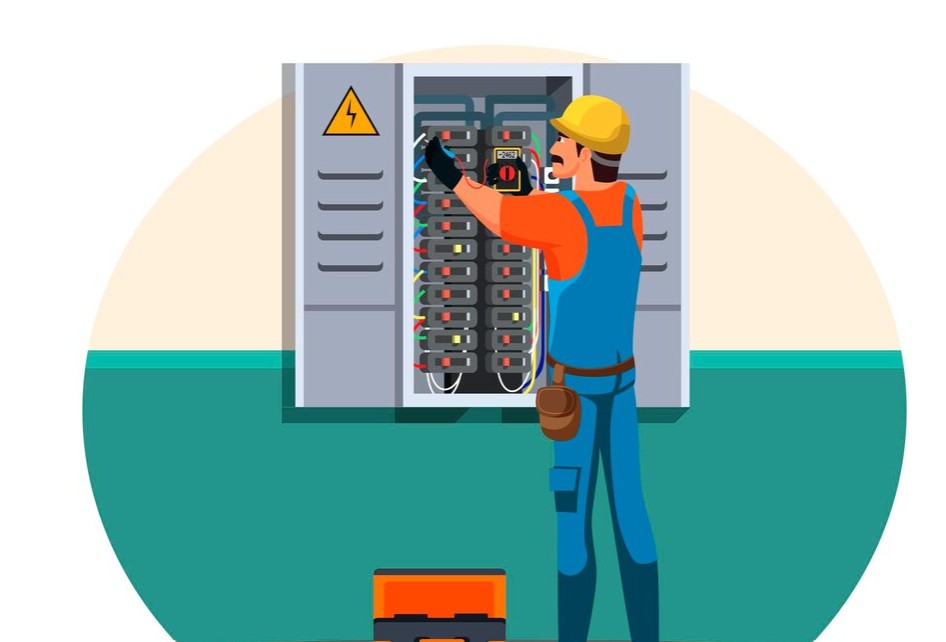
An overloaded electrical panel is a serious issue that can jeopardize the safety and efficiency of any commercial space. As businesses rely more heavily on electricity for their operations, understanding the causes of panel overloads and how to prevent them becomes crucial. In this article, we’ll discuss the main causes of electrical panel overloads, their potential consequences, and preventive measures you can take to ensure the safety and longevity of your electrical system. Whether you’re managing an office building, a retail store, or an industrial facility, these insights will help you safeguard your business operations.
Table of Contents
What Is an Electrical Panel?
Before diving into the causes of overloads, it’s important to understand what an electrical panel is and its role in your commercial space. An electrical panel, also known as a breaker box, is the central point where electricity enters your building. It distributes power to different circuits throughout the building and houses the circuit breakers, which protect the wiring by interrupting the flow of electricity if there is a fault or overload.
Top Causes of Electrical Panel Overloads
1. Excessive Load on Circuits
One of the most common causes of an overloaded electrical panel is simply drawing too much power from a single circuit. Each circuit in an electrical panel is designed to handle a certain amount of current, typically measured in amperes (amps). If you have too many electrical devices or appliances connected to one circuit, the demand can exceed its capacity, leading to an overload.
Solution: Regularly evaluate the power requirements of your business and ensure that no circuit is handling more than its rated capacity. If you need more power for additional equipment, consider having an electrician install additional circuits or upgrade the existing ones.
2. Outdated Electrical Panels
Old electrical panels may not be equipped to handle the demands of modern commercial equipment, especially as businesses increase their use of electrical devices. Panels that were installed decades ago may not meet the current standards and could be underpowered for your current needs.
Solution: If your building still uses an outdated electrical panel, it may be time for an upgrade. Newer panels are designed to handle more power and provide better safety features, reducing the risk of overloads.
3. Improperly Sized Panels
Another frequent cause of electrical panel overload is using a panel that is too small for your needs. A panel that is not properly sized for the electrical load of your commercial space will quickly become overloaded as more devices are added to the system.
Solution: Hire a qualified electrician in Denver to assess the size and capacity of your electrical panel. They can determine whether it needs to be upgraded to a larger model that can handle the electrical demands of your business.
4. Electrical Wiring Issues
Damaged or faulty wiring can also cause an overload. If wires are frayed, improperly connected, or have other issues, they can create resistance, causing excessive heat to build up, which can lead to overloads and even fires.
Solution: Regular inspections of the wiring throughout your commercial space by an experienced emergency electrician near me will help detect any issues before they lead to more significant problems. Fixing faulty wiring or replacing old, worn-out wires can prevent overloads and improve safety.
5. Overloaded Circuit Breakers
Sometimes the circuit breakers themselves can be the problem. If circuit breakers are incorrectly sized or malfunctioning, they may not trip when there is an overload, leading to continuous excessive current flowing through the system.
Solution: Ensure that your circuit breakers are correctly rated for the circuits they protect. A professional electrician can assess and replace any faulty breakers to make sure they work as intended.
6. Multiple Power-Intensive Devices
In commercial spaces, certain devices, such as air conditioning units, heating systems, industrial machinery, and heavy-duty office equipment, tend to consume a large amount of electricity. If these devices are running simultaneously on the same circuit, they can easily overload the panel.
Solution: Distribute power-hungry equipment across multiple circuits. For example, HVAC systems and industrial machinery should have dedicated circuits to ensure that they do not cause strain on other systems.
7. Lack of Proper Maintenance
Electrical systems require regular maintenance to function optimally. Without routine inspections and maintenance, small issues like loose connections or minor wear and tear can gradually lead to larger problems, including overloads.
Solution: Schedule periodic electrical inspections to catch potential issues before they escalate. A well-maintained electrical panel and wiring system are much less likely to experience overloads.
How to Prevent Electrical Panel Overloads
Preventing electrical panel overloads involves a combination of proper installation, regular maintenance, and smart usage. Here are a few effective strategies:
1. Perform Regular Load Assessments
Regularly assess the total load on your electrical system to ensure that no circuit or panel is being overburdened. Keep track of any new equipment or devices being added to your commercial space to ensure that your electrical system can handle the additional demand.
2. Upgrade to Modern Electrical Panels
If your electrical panel is outdated, upgrading to a modern panel with higher capacity can solve many overload issues. Newer panels offer better safety features and can support increased electrical demand as your business grows.
3. Install Additional Circuits
If you have multiple power-intensive devices that need to operate simultaneously, consider installing additional circuits. This will spread out the electrical load and reduce the risk of overloading a single circuit.
4. Hire Qualified Professionals
Always rely on a licensed electrician in Denver for any electrical work, including installations, upgrades, and inspections. A qualified professional will ensure that your system is safe, correctly sized, and compliant with local electrical codes.
5. Adopt Energy-Efficient Practices
By implementing energy-efficient lighting and equipment, you can reduce the overall load on your electrical system. For example, switching to LED lighting or energy-efficient appliances will reduce power consumption and lessen the load on your electrical panel.
6. Regularly Inspect and Maintain Your System
Ensure that your electrical system is regularly inspected by a licensed electrician. Regular maintenance will identify any potential issues, such as faulty wiring or worn-out circuit breakers, before they lead to larger problems.
7. Use Surge Protectors
For sensitive electronic equipment, using surge protectors can help prevent overloading caused by electrical surges. Surge protectors can also prevent damage to expensive machinery in the event of a power spike.
How Do You Know If Your Electrical Panel Is Overloaded?
Recognizing the signs of an overloaded electrical panel is crucial to preventing serious issues like fires or equipment damage. Here are some common indicators that your electrical panel may be overloaded:
- Frequent Tripping of Circuit Breakers: If your circuit breakers are tripping often, it could indicate that your system is being overloaded. Circuit breakers are designed to trip when there is too much current running through a circuit, signaling a potential overload.
- Flickering or Dimming Lights: If your lights flicker or dim intermittently, this is a clear sign that the electrical system is struggling to handle the demand on the circuit.
- Burning Smells or Scorch Marks: A burning smell or scorch marks around your electrical panel or outlets are serious warning signs of excessive heat build-up caused by an overloaded circuit. If you notice this, it’s essential to call a licensed electrician immediately.
Recognizing these signs early can prevent more significant damage and ensure the safety of your commercial space.
Conclusion
Overloaded electrical panels are a common problem in commercial spaces, but they can be prevented with proper maintenance and timely upgrades. By understanding the causes of electrical panel overloads and implementing preventive measures, you can avoid costly repairs, improve safety, and ensure your business operations run smoothly.
If you suspect that your electrical panel is overloaded or need assistance with an upgrade or inspection, don’t hesitate to contact a professional emergency electrician near me. Taking proactive steps to maintain your electrical system will protect your business, enhance its efficiency, and ensure compliance with safety standards.
Frequently Asked Questions (FAQs)
1. What are the signs of an overloaded electrical panel?
Signs of an overloaded electrical panel include frequent circuit breaker trips, flickering or dimming lights, and burning smells or scorch marks around outlets or the panel.
2. How often should I have my electrical system inspected?
It’s recommended to have your electrical system inspected at least once every 3 to 5 years, or sooner if you notice any unusual signs of electrical issues.
3. Can an overloaded electrical panel cause a fire?
Yes, an overloaded electrical panel can generate excessive heat, which could eventually lead to an electrical fire. It is important to address overloads immediately to prevent fire hazards.
4. How do I know if I need to upgrade my electrical panel?
If your electrical panel is outdated or unable to handle the power demands of your business, it’s time for an upgrade. A professional electrician can assess whether your panel is properly sized for your needs.
5. Can I prevent an electrical overload by using energy-efficient devices?
Yes, using energy-efficient devices such as LED lighting and energy-saving appliances can reduce the load on your electrical system and help prevent overloads.