
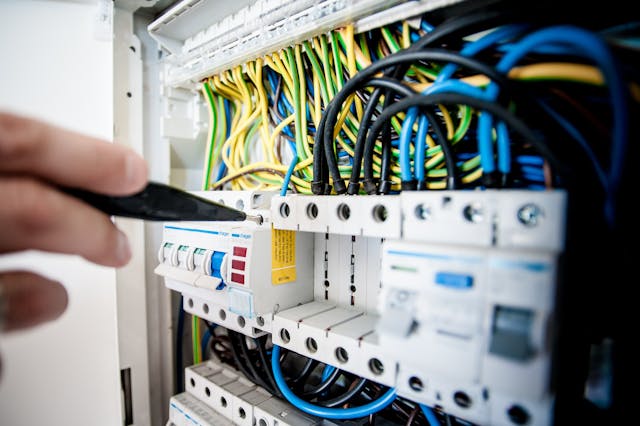
Power surges often strike without warning, and in a city like Everett where neighborhoods from North Broadway to Madison Street experience frequent weather shifts and utility fluctuations, protecting your home’s electrical system is essential. Many homeowners try to boost protection on their own but end up making costly mistakes that leave appliances, electronics, and even the home’s electrical panel vulnerable. This guide breaks down the top five mistakes most homeowners make when installing surge protection and explains how proper surge protector installation in Everett keeps your home safer, compliant, and fully protected.
To make the information practical and helpful, each mistake includes clear insights, real-life application, and simple guidance to avoid unnecessary electrical risks.
Table of Contents
Mistake #1: Relying Solely on Plug-In Strips Instead of Panel-Mounted Protection
Walk into almost any home in neighborhoods like Bayside or Pinehurst and you will likely find power strips tucked behind the TV or computer desk. While these plug-in strips feel convenient, they do not offer the level of defense most homeowners assume. They only protect the devices plugged directly into them, and even that protection is limited.
Why This Is a Problem
- Plug-in strips cannot stop large surges that enter through the main service panel.
- They wear out quietly over time and provide less protection as they age.
- They do nothing for major appliances like HVAC units, refrigerators, microwaves, washer-dryer sets, or electric ranges.
How to Avoid It
A whole-home solution installed at the service panel stops surges before they spread through your home. With professional surge protector installation in Everett, the device is mounted at the main electrical panel, offering broad protection that plug-in strips cannot achieve.
Mistake #2: Ignoring the Home’s Grounding and Wiring Condition
Many older homes around Broadway, Everett Mall Way, and Colby Avenue have outdated wiring or insufficient grounding. Even newer homes may have grounding problems if the system was altered or damaged over time.
Why This Is a Problem
- A surge protector relies on proper grounding to safely divert excess voltage.
- Poor grounding can cause the surge protector to fail, leaving the entire home exposed.
- Wiring issues can increase fire risks, especially when surges repeatedly hit compromised circuits.
How to Avoid It
Before installation, a professional electrician evaluates the main panel, grounding rods, bonding connections, and internal wiring. A certified installer ensures the grounding system meets local electrical codes and provides the stable foundation required for surge protection to function properly.
Mistake #3: Installing a Cheap or Non UL Listed Device
Choosing the lowest priced device seems cost effective initially, but surge protectors vary greatly in performance, lifespan, and safety. Homeowners often pick a bargain model from a local store, assuming all surge protectors perform the same.
Why This Is a Problem
- Non UL listed devices may not meet national electrical safety standards.
- Lower quality units often have slow response times.
- Cheap units cannot handle larger surges or repeated smaller surges.
- Insurance companies may deny claims if the device is not approved or certified.
How to Avoid It
Select only UL 1449 certified surge protectors. Electricians across Everett, including reputable companies near Evergreen Way or Beverly Boulevard, consistently recommend high-quality panel-mounted devices that offer proven performance. A professional installer determines the right surge protector rating based on your home’s electrical load, appliances, and surge exposure levels.
Mistake #4: Neglecting Internal Surges from Household Appliances
Most people assume external events like storms or grid issues cause surges. While that is true, internal surges happen far more often. Whenever large appliances such as refrigerators, dryers, heat pumps, or garage door motors cycle on and off, they create small spikes that gradually weaken sensitive electronics.
Why This Is a Problem
- Internal surges occur dozens of times per day.
- These small spikes slowly damage electronics like TVs, routers, gaming systems, and smart home devices.
- Homeowners only notice the damage after devices begin failing prematurely.
- Companies in the region, including Everett Electric LLC, have documented that internal surges are a major cause of long-term electrical wear.
How to Avoid It
A whole-home device paired with strategically placed point-of-use protectors gives full coverage. With professional surge protector installation in Everett, your electrician evaluates which circuits are most surge-active and installs protection that handles both internal and external surge threats.
Mistake #5: Not Getting a Professional Inspection or Insurance Certificate
Many homeowners attempt do-it-yourself installation or use a device without any paperwork or validation. Unfortunately, this oversight creates serious problems during an insurance claim or electrical incident.
Why This Is a Problem
- Insurance companies often require documentation showing professionally installed protection.
- DIY work that bypasses codes can void insurance coverage.
- Without a certified inspection, hidden wiring or grounding issues may go unnoticed.
- Surge protection may fail when it is needed most.
How to Avoid It
Hire a licensed professional who provides inspection reports, installation certificates, and product documentation. Installers in Everett familiar with local code and utility patterns ensure compliance, proper placement, and system reliability. This also establishes a clear record for insurance purposes.
What to Ask Your Installer: A Practical Checklist?
Before scheduling surge protector installation, use this straightforward checklist to confirm you are hiring the right professional:
- Do you perform a full grounding and wiring inspection before installation
- Is the surge protector UL 1449 listed
- Will you provide a certificate or documentation for my insurance
- How do you determine the appropriate surge protection rating for my home
- Do you offer panel-mounted solutions and point-of-use protection
- Will you check internal surge sources such as HVAC motors or large appliances
- Do you evaluate utility patterns in neighborhoods like Silver Lake or Delta
- Does the installation comply with Washington State electrical standards
A qualified installer answers each question confidently and provides clear explanations, not vague promises.
Why Professional Installation Covers All Bases?
Surge protection is not a one-size-fits-all upgrade. It requires electrical knowledge, proper grounding evaluation, and awareness of how surges move through a home. Professional surge protector installation in Everett ensures:
- Correct placement at the service panel
- Safe and compliant grounding
- UL certified device selection
- Full protection from internal and external surges
- Documentation needed for insurance
- Long-term safety for your appliances and electronics
Homes near Forest Park, Lowell Riverfront Trail, or the bustling Casino Road area all benefit from reliable whole-home surge protection installed by trained electricians who understand the local power grid and common surge patterns.