
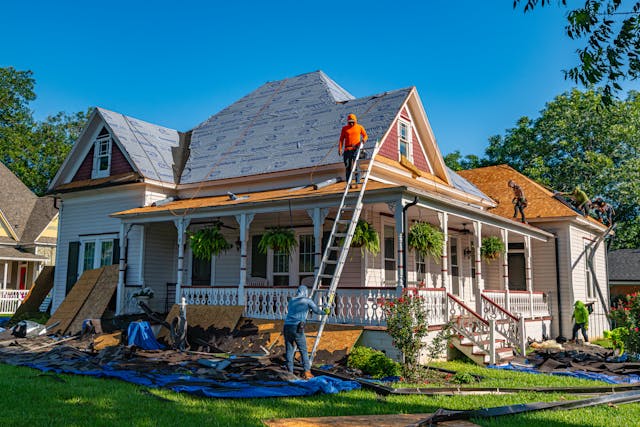
Heavy rainfall is a part of everyday life in Lake Stevens, especially during fall and winter. When storms sweep across Soper Hill, soak homes near North Cove Park, or leave puddles along 20th Street NE, many homeowners begin noticing unexpected leaks, staining on ceilings, and moisture buildup in attics. This sudden flood of issues often leads to a noticeable rise in service calls for roofing in Lake Stevens WA. Understanding why roof repairs spike after these weather events helps you stay prepared, protect your property and avoid costly damage down the road. This guide breaks down the causes, early warning signs and the best steps homeowners can take to stay ahead of rainfall related roof problems.
Table of Contents
How Rainfall Impacts Roof Structures?
Roofing systems face constant exposure to water during Lake Stevens’ rainy seasons. Although roofs are designed to withstand moisture, prolonged and heavy rainfall can overwhelm even well maintained systems. Homes near Lake Stevens Waterfront, properties around Chapel Hill Road, and older houses close to Frontier Village often experience higher levels of moisture stress due to their exposure to winds, humidity and long bouts of rain. The combination of steady water pressure, clogged drainage pathways and weakened roofing materials sets the stage for rapid deterioration.
Why Roof Repairs Increase After Heavy Rainfall?
When rain hits hard and consistently, underlying roof weaknesses begin revealing themselves. While storms may seem harmless at first glance, the real issue often lies in lingering moisture.
Hidden Roof Damage Becomes Visible
Heavy rain has a way of exposing minor roofing issues that may remain unnoticed during dry weather. Small cracks, loose shingles and deteriorated flashing that were once harmless begin leaking due to trapped moisture. This is especially common in areas like Machias or neighborhoods near Lundeen Parkway, where wind driven rain increases water penetration.
Clogged Gutters Lead to Overflow
Gutters filled with pine needles and debris cannot channel water properly. Overflowing water eventually backs up under shingles or spills along exterior walls. Because Lake Stevens has dense tree coverage in areas like Sunnyside Boulevard, blocked gutters are among the biggest triggers for moisture related roof repairs.
Aging Shingles Absorb More Water
Older roofs become less resistant to continuous rain. Asphalt shingles, in particular, lose granules over time, reducing their ability to repel water. Once moisture reaches the underlying roofing layers, leaks develop quickly and spread across wider areas.
Flashing Weaknesses Are Magnified
Flashing around chimneys, skylights and vents forms a waterproof seal. When flashing corrodes or becomes loose, heavy rainfall reveals the weakness. Water seeps in through these gaps, damaging ceilings and attic insulation.
Roof Valleys Collect More Rainwater
Roof valleys naturally carry large volumes of water during a storm. If these areas have worn shingles or weakened underlayment, leaks begin to form faster. Homes around Lake Stevens Middle School often report valley related leak issues during peak rainfall months.
Moss and Moisture Retention
Moss growth is common in the Pacific Northwest. It thrives on shaded roofs near trees, such as homes around Cavalero Park. Moss holds moisture like a sponge. During heavy rainfall, this trapped moisture accelerates shingle decay.
Common Roof Problems That Appear After Heavy Rain
Rain reveals vulnerabilities that may not be obvious otherwise. The following issues often lead homeowners to call for professional roofing companies in Lake Stevens WA.
Ceiling Leaks
Dark stains or wet spots on ceilings indicate an active leak. These typically appear above kitchens, living rooms or bedrooms with roof slopes that take on more water.
Attic Moisture or Mold
Rainwater that enters the attic through small gaps begins soaking insulation. The continual dampness creates the perfect conditions for mold growth, especially in homes near forested areas like Highland Ridge.
Dripping Around Light Fixtures
Any moisture infiltration that affects electrical components requires immediate attention. Drips around lights or fans signal advanced leakage.
Buckled or Warped Shingles
Rainwater that enters beneath shingles causes them to curl, warp or bubble.
Soft or Spongy Roof Decking
Long term water exposure weakens the structural wood beneath the shingles. When walked on, it may feel soft or springy.
Why Prompt Repair Matters After Rainfall?
Ignoring roof issues after heavy rain can lead to significant long term damage.
Prevents Costly Structural Damage
Water intrusion compromises framing, rafters and decking. Delaying repairs allows moisture to weaken structural elements.
Reduces Mold Risks
Mold grows rapidly in damp, warm environments. Once it spreads, professional remediation becomes expensive.
Protects Electrical Systems
Water near wiring poses a safety hazard. Early repairs prevent short circuits and interior damage.
Avoids Repeated Leak Expansion
If water finds a path once, it enlarges the route with each rainfall, leading to larger leak areas.
The Role of Roofing in Lake Stevens WA During Rainy Seasons
Because Lake Stevens sees frequent rainfall, local roofing companies understand the unique environmental challenges of the region.
Knowledge of Local Rainfall Patterns
Professionals who work along South Lake Stevens Road, 120th Street NE, and in surrounding neighborhoods recognize how specific weather patterns influence roof deterioration.
Experience with Moisture Related Roofing Issues
Local contractors provide detailed assessments that pinpoint moisture entry points and long term weak spots.
Familiarity with Local Home Designs
Many homes in Lake Stevens share similar roof pitches and layouts. This familiarity helps experts diagnose rainfall related issues faster.
How Professionals Inspect Roof Damage After Rain?
Reliable roofing specialists follow a methodical process to identify rainfall damage.
Surface Examination
They check shingles, valleys, flashing and ridge lines for signs of failure.
Gutter and Downspout Assessment
Professionals ensure drainage systems are free flowing and structurally sound.
Attic Inspection
Inspectors look for wet insulation, mold, damp wood and airflow issues.
Moisture Mapping
Some roofing experts use moisture detection tools to locate hidden water pockets.
Action Plan and Repair Recommendations
After inspection, homeowners receive detailed recommendations tailored to their roof’s age, material and damage severity.
Preventing Roof Damage During Heavy Rainfall
Homeowners can significantly reduce damage risks by maintaining their roofing systems properly.
Clear Gutters Regularly
Blocked gutters are one of the biggest contributors to leaks.
Trim Overhanging Branches
Branches drop leaves and needles that clog drainage pathways.
Schedule Annual Roof Inspections
At least one yearly inspection helps identify early wear. Homes in high rainfall pockets or near water may need biannual checks.
Treat Moss Growth Early
Removing moss prevents moisture retention and shingle lifting.
Replace Aging Roofs Promptly
Roofs nearing the end of their lifespan are more vulnerable to rainfall damage.
When to Contact a Professional for Roofing in Lake Stevens WA
You should reach out for help if you notice:
- Active or spreading leaks
- Interior water stains
- Moisture in the attic
- Musty odors indicating mold
- Shingle displacement after storms
- Sagging rooflines
- Gutter overflow even after cleaning
Homes near Lake Stevens tend to experience repeated rain related wear due to wind exposure and drainage patterns. Timely professional support protects your home investment and ensures long term stability.
Ready to protect your home from rain-related roofing issues? Contact Hillcrest Roofing & Remodeling for trusted service in Lake Stevens and surrounding areas.
Call us at 425-399-5663 or email at [email protected]
Our experienced team is standing by to provide a free roofing inspection, fully explain your options, and help you secure your roof before the next storm hits.